Preparation starts the night before
Call sheets are worth reading twice. Timing, location, wardrobe requirements, travel and the names of the team all matter. Packing a small kit—water, simple grooming products, neutral underlayers and anything specifically requested—removes avoidable stress in the morning.
Rest and hydration are unglamorous advice, but cameras notice both. The aim is to arrive as a reliable starting point for the hair, grooming and styling teams.
Listen before performing
Every photographer directs differently. Some give precise physical instructions; others describe an atmosphere and expect the model to interpret it. Early in the shoot, listening closely is more useful than cycling through a catalogue of poses.
A model's job is to understand the purpose of the image. A commercial smile, an editorial stillness and a lifestyle moment each need a different energy. Ask a short question if the intention is unclear, then commit to the answer.
Small movements make the frame
On camera, a centimetre can change everything. Shifting weight, lowering a shoulder, turning the chin or softening the hands gives the photographer options without breaking the flow.
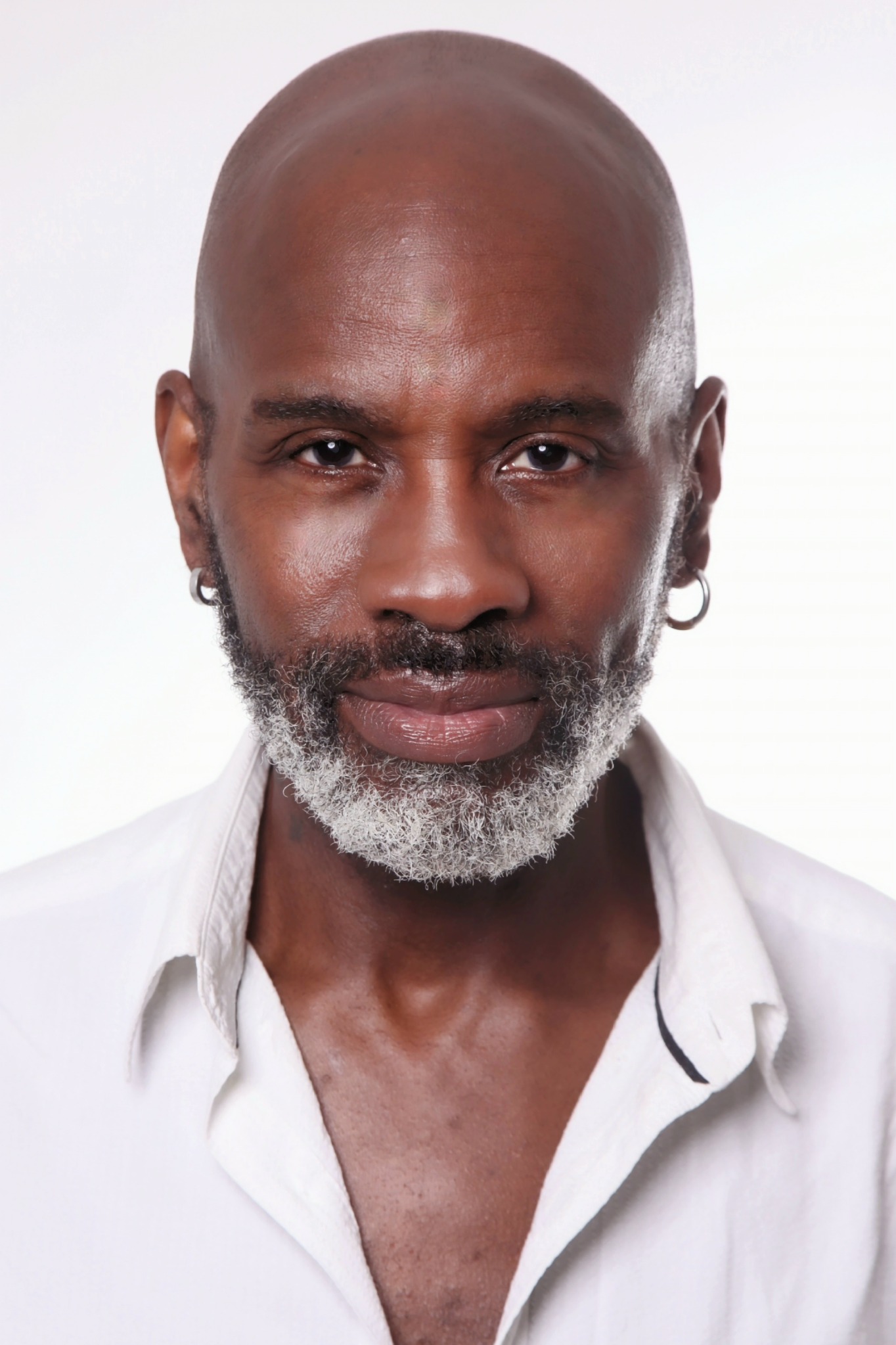
Mature faces respond beautifully to subtlety. Instead of forcing expression, it often helps to think about a real memory, a person or a mood. The eyes change first, and the rest of the face follows.
Professionalism is remembered
Sets run on trust. Being punctual, treating every crew member with respect and maintaining energy through repeated takes makes future bookings more likely. Talent matters, but people also remember whether the day felt easy with you in it.
The strongest image is a shared result. Photographer, stylist, grooming team, assistants, producer and model all leave a trace in the final frame. Good work acknowledges that collaboration.